

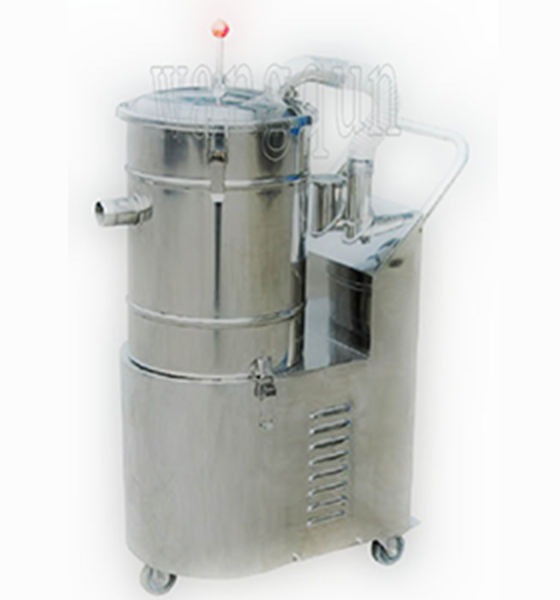
Rotary Tablet Press Vibration Control Techniques: Enhancing Precision in Pharmaceutical Manufacturing
Industry Background and Market Demand
The pharmaceutical and nutraceutical industries rely heavily on rotary tablet presses for high-volume production of uniform tablets. As regulatory standards tighten—particularly under cGMP (current Good Manufacturing Practices)—manufacturers face increasing pressure to minimize defects and ensure product consistency. One critical challenge in tablet compression is vibration, which can lead to weight variation, poor tablet integrity, and excessive wear on machine components.
Market demand for vibration control solutions has grown as companies seek to optimize production efficiency and reduce downtime. Advanced rotary tablet presses now integrate vibration dampening technologies to enhance precision, extend equipment lifespan, and comply with stringent quality requirements.
Core Concepts: Understanding Vibration in Rotary Tablet Presses
Vibration in rotary tablet presses primarily stems from:
- Mechanical imbalances in rotating parts (e.g., turret, cam tracks).
- Irregular powder flow, causing uneven compression forces.
- Resonance effects, where machine vibrations amplify at certain operational speeds.
Uncontrolled vibration leads to:
- Tablet weight variation (exceeding pharmacopeial limits).
- Increased tooling wear, raising maintenance costs.
- Higher rejection rates, impacting yield and profitability.
Key Vibration Control Techniques
1. Dynamic Balancing of Rotating Components
Modern presses employ precision-balanced turrets and main shafts to minimize centrifugal forces. High-end models use laser alignment and real-time monitoring to correct imbalances before they affect tablet quality.
2. Active Damping Systems
Some manufacturers integrate active vibration control (AVC) systems with piezoelectric actuators or electromagnetic dampers. These systems detect and counteract vibrations in real time, maintaining stability even at high speeds (e.g., >100,000 tablets/hour).
3. Optimized Frame and Isolation Design
- Stiffened machine frames reduce flexing under load.
- Elastomeric mounts or air springs isolate the press from external vibrations (e.g., floor-borne disturbances).
4. Advanced Tooling and Die Design
- Multi-stage compression reduces peak forces, minimizing shock-induced vibrations.
- Precision-ground dies ensure smooth material flow, preventing uneven compression.
Critical Factors Affecting Performance
1. Operational Speed vs. Stability Trade-off
Higher speeds increase throughput but may exacerbate vibration. Optimal RPM depends on tooling design and material properties.
2. Material Characteristics
Poorly flowing powders (e.g., cohesive APIs) can cause uneven filling, leading to force fluctuations. Pre-granulation or forced feeders may mitigate this.
3. Maintenance Practices
Worn bearings, misaligned cams, or loose fasteners amplify vibrations. Predictive maintenance (e.g., vibration sensors) helps detect issues early.
Supplier Selection and Quality Standards
When sourcing rotary tablet presses or vibration control components, key criteria include:
- Compliance with ISO 1940-1 (balance quality grades for rotating machinery).
- Integration with Industry 4.0 (IoT-enabled vibration monitoring for predictive maintenance).
- Material durability (e.g., hardened steel turrets for long-term wear resistance).
Leading suppliers often provide FEA (Finite Element Analysis)-validated designs to ensure structural integrity under dynamic loads.
Industry Challenges and Common Issues
1. High-Speed Limitations
Many presses exhibit vibration spikes beyond certain RPM thresholds, forcing operators to compromise between speed and quality.
2. Retrofitting Older Machines
Retrofitting legacy presses with modern damping systems can be costly, leading some manufacturers to prioritize new equipment investments.
3. Regulatory Scrutiny
Vibration-induced weight variations may trigger regulatory audits, emphasizing the need for robust process validation.
Applications and Case Studies
- Pharmaceuticals: A European manufacturer reduced tablet weight variation by 40% after upgrading to an AVC-equipped press.
- Nutraceuticals: A U.S. producer extended tooling life by 30% by switching to dynamically balanced turrets.
Future Trends and Innovations
1. AI-Driven Vibration Prediction
Machine learning models analyze historical data to predict and preempt vibration issues.
2. Modular Press Designs
Interchangeable damping modules allow customization for different formulations.
3. Green Manufacturing
Energy-efficient dampers (e.g., regenerative braking in AVC systems) align with sustainability goals.
FAQ
Q: How does vibration affect tablet hardness?
A: Excessive vibration disrupts compression uniformity, leading to soft spots or capping.
Q: Can vibration control reduce maintenance costs?
A: Yes, by minimizing wear on punches, dies, and bearings, downtime and replacement costs decrease.
Q: Are passive dampers sufficient for high-speed presses?
A: For speeds >80,000 tablets/hour, active systems (e.g., piezoelectric) are often necessary.
Conclusion
Vibration control in rotary tablet presses is no longer optional—it’s a competitive necessity. As pharmaceutical manufacturing advances, integrating dynamic balancing, active damping, and smart monitoring will define the next generation of high-precision tablet presses. Companies investing in these technologies stand to gain in quality, compliance, and operational efficiency.
Copyright © 2025 Changzhou Wangqun Pharmaceutical Machinery Co., Ltd. Todos los derechos reservados.
Mapa del sitioEste sitio web utiliza cookies para garantizar que obtenga la mejor experiencia en nuestro sitio web.
 English
 Pусский
 Français
 العربية



 Teléfono
Comentario
(0)