

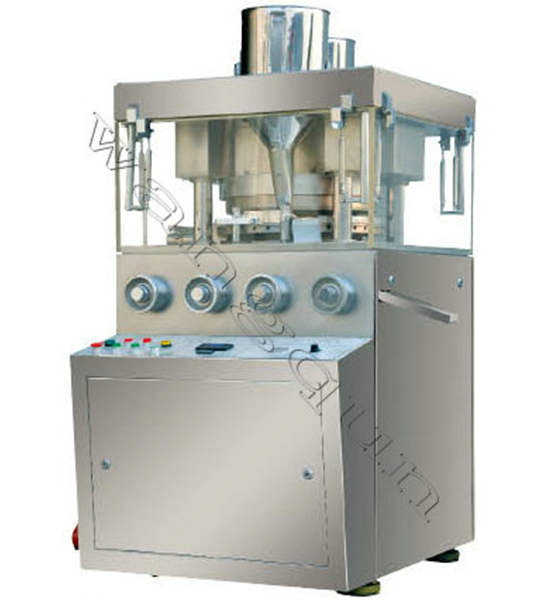
Optimizing Tablet Press Performance for Uniform Tablets
Industry Background and Market Demand
The pharmaceutical and nutraceutical industries rely heavily on tablet compression to produce consistent, high-quality oral solid dosage forms. With global tablet production exceeding trillions annually, manufacturers face increasing pressure to optimize tablet press performance while adhering to stringent regulatory standards. Uniformity in tablet weight, hardness, and dissolution properties is critical to ensure drug efficacy, patient safety, and compliance with pharmacopeial requirements such as USP <1062>.
Demand for precision in tablet manufacturing has grown due to the rise of complex formulations, including controlled-release and bilayer tablets. Additionally, cost pressures and sustainability concerns drive the need for efficient material utilization and reduced waste. As a result, optimizing tablet press performance is no longer optional—it is a competitive necessity.
Core Concepts and Key Technologies
Tablet Press Mechanics
Tablet presses operate by compressing powder or granules between two punches within a die cavity. The process involves:
- Feeding System: Ensures consistent powder flow into the die.
- Compression Rollers: Apply force to form the tablet.
- Ejection Mechanism: Removes the finished tablet without damage.
Critical performance metrics include:
- Weight Uniformity: Measured through RSD (Relative Standard Deviation).
- Hardness: Affects tablet durability and dissolution.
- Friability: Indicates resistance to chipping or breaking.
Tooling Design and Material Selection
Punch and die tooling must balance wear resistance and precision. Common materials include:
- High-Speed Steel (HSS): Cost-effective but prone to wear.
- Carbide-Tipped Tooling: Longer lifespan, ideal for abrasive formulations.
Tooling geometry (e.g., flat-faced, concave, or embossed punches) impacts tablet integrity and ejection force.
Factors Affecting Tablet Quality
1. Powder Characteristics
- Flowability: Poor flow leads to inconsistent die filling.
- Particle Size Distribution: Affects compressibility and segregation risk.
- Moisture Content: Excessive moisture can cause sticking or capping.
2. Machine Parameters
- Compression Force: Must be optimized for each formulation.
- Turret Speed: Higher speeds risk weight variation.
- Pre-Compression: Reduces air entrapment for brittle materials.
3. Environmental Controls
- Humidity and Temperature: Affect powder behavior and tooling performance.
Supplier Selection and Supply Chain Considerations
Choosing a tablet press or tooling supplier requires evaluating:
- Regulatory Compliance: Equipment must meet cGMP and FDA/EMA standards.
- Technical Support: Availability of calibration and maintenance services.
- Lead Times and Spare Parts Inventory: Critical for minimizing downtime.
Reliable suppliers often provide validation support, including IQ/OQ/PQ documentation.
Common Challenges and Industry Pain Points
1. Sticking and Picking
- Caused by adhesive formulations or suboptimal tooling coatings (e.g., chrome plating vs. nano-coatings).
2. Capping and Lamination
- Often due to excessive compression speed or air entrapment.
3. Weight Variation
- Poor feeder design or inconsistent granule density is a frequent culprit.
4. Tooling Wear
- Abrasive APIs accelerate punch wear, increasing rejection rates.
Applications and Case Studies
Case Study: Bilayer Tablet Production
A European generics manufacturer faced layer separation issues in a sustained-release bilayer tablet. By implementing a servo-driven feeder and optimizing pre-compression force, they achieved <1% RSD in layer weight uniformity.
Nutraceutical Example
A U.S.-based supplement producer reduced friability from 0.8% to 0.3% by switching to carbide tooling and adjusting turret speed.
Current Trends and Future Outlook
1. Smart Tablet Presses
- IoT-enabled presses with real-time monitoring (e.g., force-distance curves) are gaining traction.
2. AI-Driven Optimization
- Machine learning models predict optimal compression parameters for new formulations.
3. Sustainable Manufacturing
- Energy-efficient presses and recyclable tooling materials are emerging priorities.
4. Continuous Manufacturing
- Integration with direct compression systems reduces batch variability.
FAQ
Q: How often should tablet press tooling be replaced?
A: Depends on material abrasiveness—typically 50,000 to 500,000 compressions. Regular inspection for wear or scoring is essential.
Q: Can a single tablet press handle multiple formulations?
A: Yes, but changeover procedures (cleaning, recalibration) must be rigorously followed to prevent cross-contamination.
Q: What is the biggest contributor to tablet defects?
A: Inconsistent powder flow accounts for ~40% of production issues, underscoring the need for proper granulation or excipient selection.
Conclusion
Optimizing tablet press performance requires a holistic approach, combining advanced tooling, precise process controls, and robust material science. As regulatory and market demands evolve, manufacturers must invest in both technology and expertise to maintain competitiveness. Future advancements in automation and predictive analytics will further redefine the standards for tablet uniformity.
(Word count: 1,280)
Copyright © 2025 Changzhou Wangqun Pharmaceutical Machinery Co., Ltd. Todos los derechos reservados.
Mapa del sitioEste sitio web utiliza cookies para garantizar que obtenga la mejor experiencia en nuestro sitio web.
 English
 Pусский
 Français
 العربية



 Teléfono
Comentario
(0)